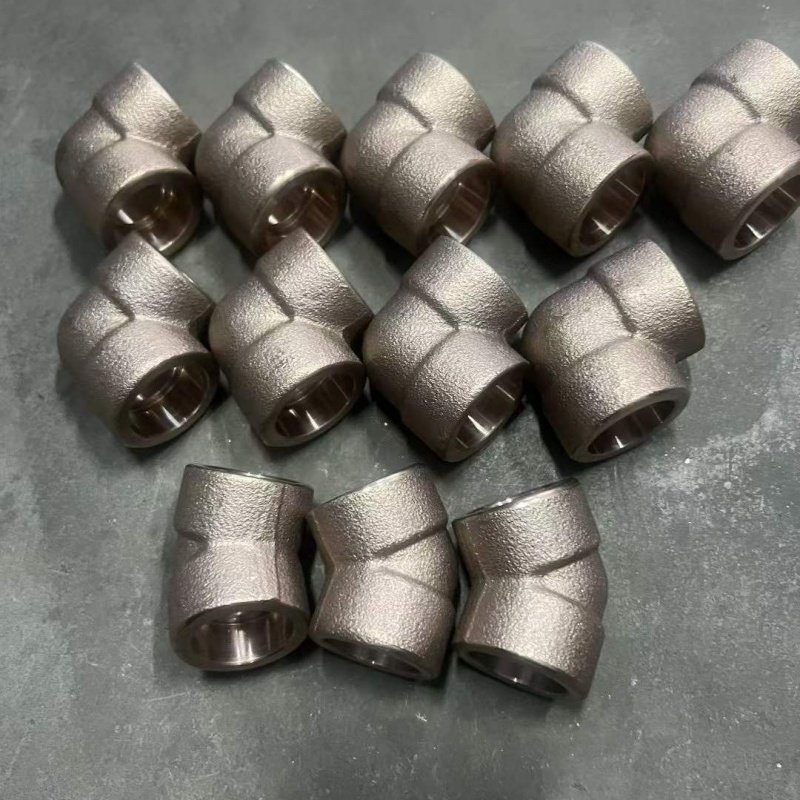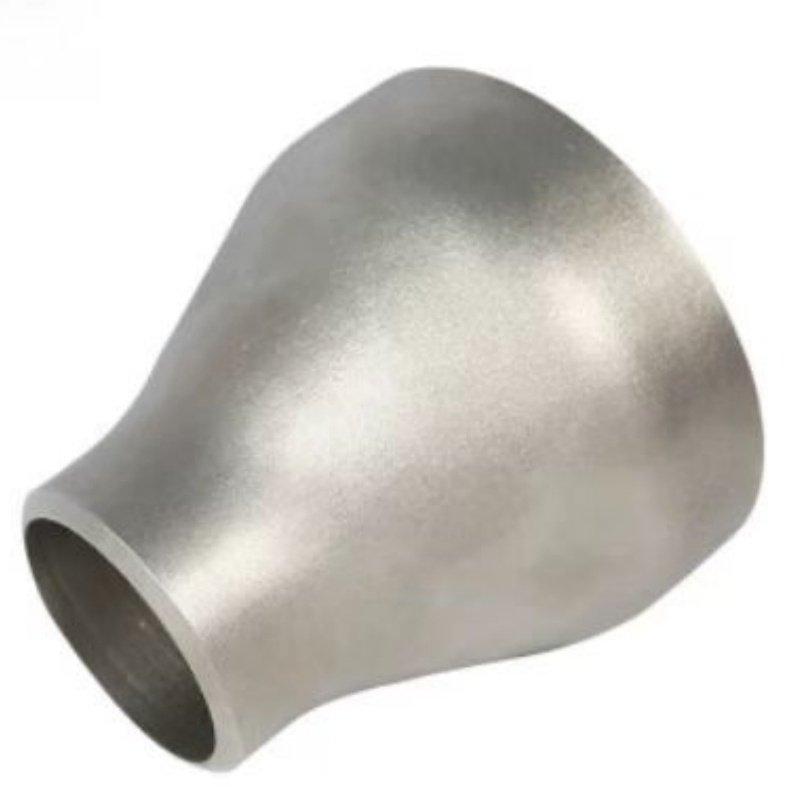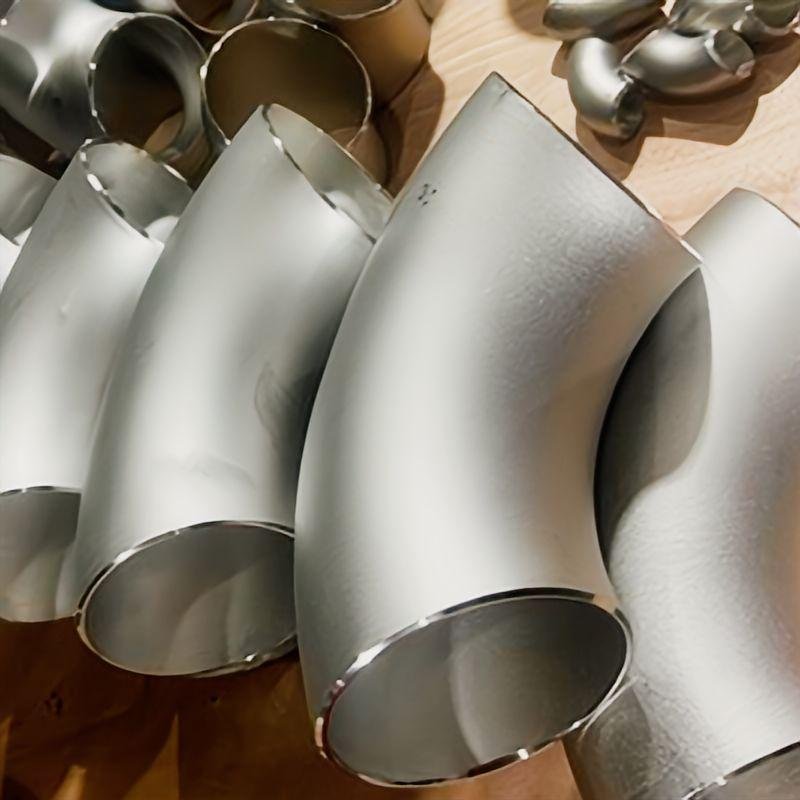

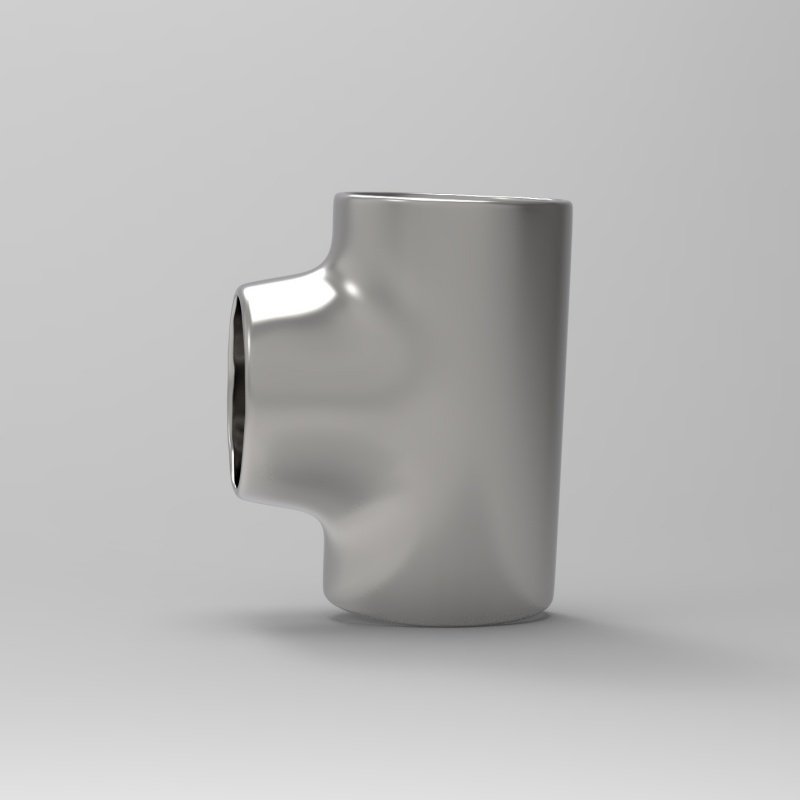
The nickel alloy Tee is a key node in the pipeline system for achieving media diversion or convergence. It is also one of the most complex components that test the manufacturing technology of pipe fittings. The nickel alloy tee supplied by Hefei Talan Metal Materials Co., Ltd. are made from high-quality nickel-based alloy seamless tubes or plates. They are processed through multiple precise procedures such as hot extrusion/cold forming, solution heat treatment, shaping, acid washing/polishing, etc. They feature a reasonable wall thickness distribution, smooth transition of branch pipes, smooth inner and outer surfaces, and dense structure. They are specially designed for demanding pipeline systems with extremely high requirements for corrosion resistance, erosion resistance, and sealing performance.
Applicable Standards:
- Dimensional Standards: ASME B16.9, ASME B16.28, ASME B16.11, MSS SP-43, MSS SP-95
- Material Standard: ASTM B366 (Specific standard for nickel alloy fittings)
Tee Types:
- Equal Tee: Three ports with same diameter
- Reducing Tee: Branch diameter smaller than run diameter
Specifications
Nominal Diameter (DN): DN15 – DN600 (1/2 inch – 24 inches); Reducing tee branch can be 1-3 sizes smaller
Wall Thickness: SCH5S, SCH10S, SCH40S, SCH80S, SCH160, XXS
Forming Process: Hot Extruded Seamless Tee (DN≤600), Plate Forming/Welded Tee (DN>600 or non-standard)
End Type: Bevelled End, Plain End optional
Surface Condition: Pickled, Polished, Sandblasted optional
Dimensional and Appearance Inspection
- Diameter: Measuring each port diameter using calipers, tape measures
- Wall Thickness: Multi-point measurement using ultrasonic thickness gauges (run, branch, transition zone)
- Center to End Distance: Measuring using tape measures, templates
- End Bevel: Inspection of bevel angle, root face dimensions
- Surface: Visual inspection ensuring no cracks, folds, laps, or other defects
- Transition Radius: Inspection of branch root transition radius
Non-Destructive Testing
- Penetrant Testing (PT): 100% inspection of tee internal and external surfaces, special attention to stress concentration areas
- Radiographic Testing (RT): Inspection of weld seams for welded tees
- Ultrasonic Thickness Measurement: Verifying minimum wall thickness